-
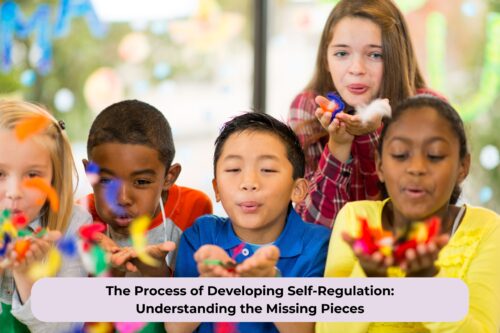 It can be frustrating when we teach students certain skills, and they don't seem to use them. This is especially true when it comes to behavior, and it's easy to assume that students are intentionally being defiant. However, what if we told you that much of the social-emotional learning programming and teaching lacks important components? These missing pieces make it difficult for students to use strategies independently. The good news is that we can incorporate these vital elements by making only small shifts to daily routines! Learn a framework for using whole-brain approaches that includes teaching specific skills and developing capacities that result in students being able to determine and apply strategies that work for them. We can provide students with the tools they need to succeed both academically and socially, by scaffolding the development of the skills they need to take responsibility for their own behaviors.
 -
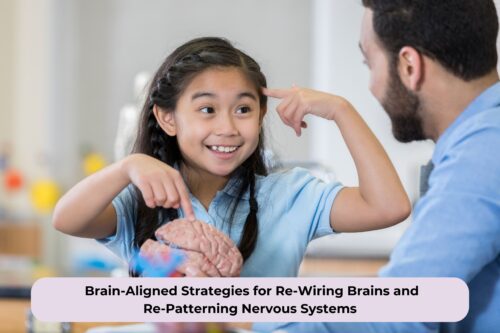 When strategies that have always worked in the past, are not working, it’s frustrating! In fact, sometimes our responses even seem to make the situation worse. What’s going on? When we learn to identify brain and body states it facilitates using the right strategy at the right time, including understanding why something might work in one moment and not another. When students aren’t in the higher regions of their brains, some strategies meant to support them, actually create escalation. Learn critical classroom strategies that work with students during varying states of arousal, expanding windows of tolerance and getting students back to places of learning. Strengthen your ability to help students grow their capacity for dealing with stress and challenges in and out of the classroom as you support creating new options for behavior.
 -
When strategies that have always worked in the past, are not working, it’s frustrating! In fact, sometimes our responses even seem to make the situation worse. What’s going on? When we learn to identify brain and body states it facilitates using the right strategy at the right time, including understanding why something might work in one moment and not another. When students aren’t in the higher regions of their brains, some strategies meant to support them, actually create escalation. Learn critical classroom strategies that work with students during varying states of arousal, expanding windows of tolerance and getting students back to places of learning. Strengthen your ability to help students grow their capacity for dealing with stress and challenges in and out of the classroom as you support creating new options for behavior.